



Falu Elnät: When storm Johannes put the organisation to the test
When Storm Johannes swept across Dalarna in late December 2025, the situation changed dramatically in just a few hours. Thousands of Falu Elnät’s customers lost power, large sections of the overhead power line network were damaged, and hundreds of people had to be coordinated in an extensive restoration effort.
By continuing to follow its established operational processes, supported by Digpro’s dpPower, Falu Elnät was able to establish structure, maintain control, and strengthen its operational resilience during one of the most significant disruptions in the company’s history.
When the storm struck
Falu Elnät, part of Falu Energi & Vatten, is responsible for electricity distribution to approximately 34,000 customers in the municipality of Falun, Sweden. Its network comprises around 4,400 kilometres of high- and low-voltage power lines, a significant proportion of which are still overhead lines in rural areas.
On 27 December 2025, Storm Johannes struck with full force. Within just a few hours, normal operations escalated into a major crisis. At around 1 p.m., the control centre had registered three high-voltage faults. Three hours later, that number had risen to 24 – a dramatic increase compared with normal conditions, when approximately one high-voltage fault per month is typical. By that afternoon, more than 8,000 customers were without electricity.
The following day, the full extent of the damage became clear. Fallen trees, broken utility poles, and kilometres of overhead power lines lying on the ground required extensive repair work. The situation deteriorated further when snowstorm Anna arrived a few days later, covering the devastation in a thick blanket of snow, followed by temperatures dropping to as low as –30°C in some areas. It took a total of 19 days of intensive work before the last permanent residential customer had their power restored.
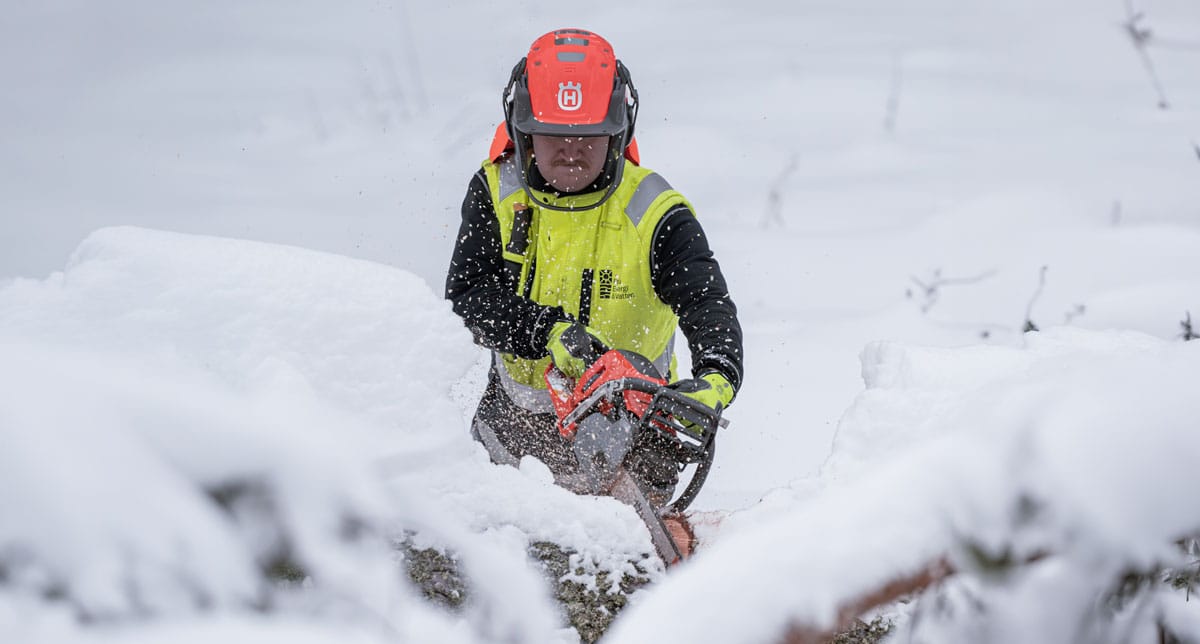
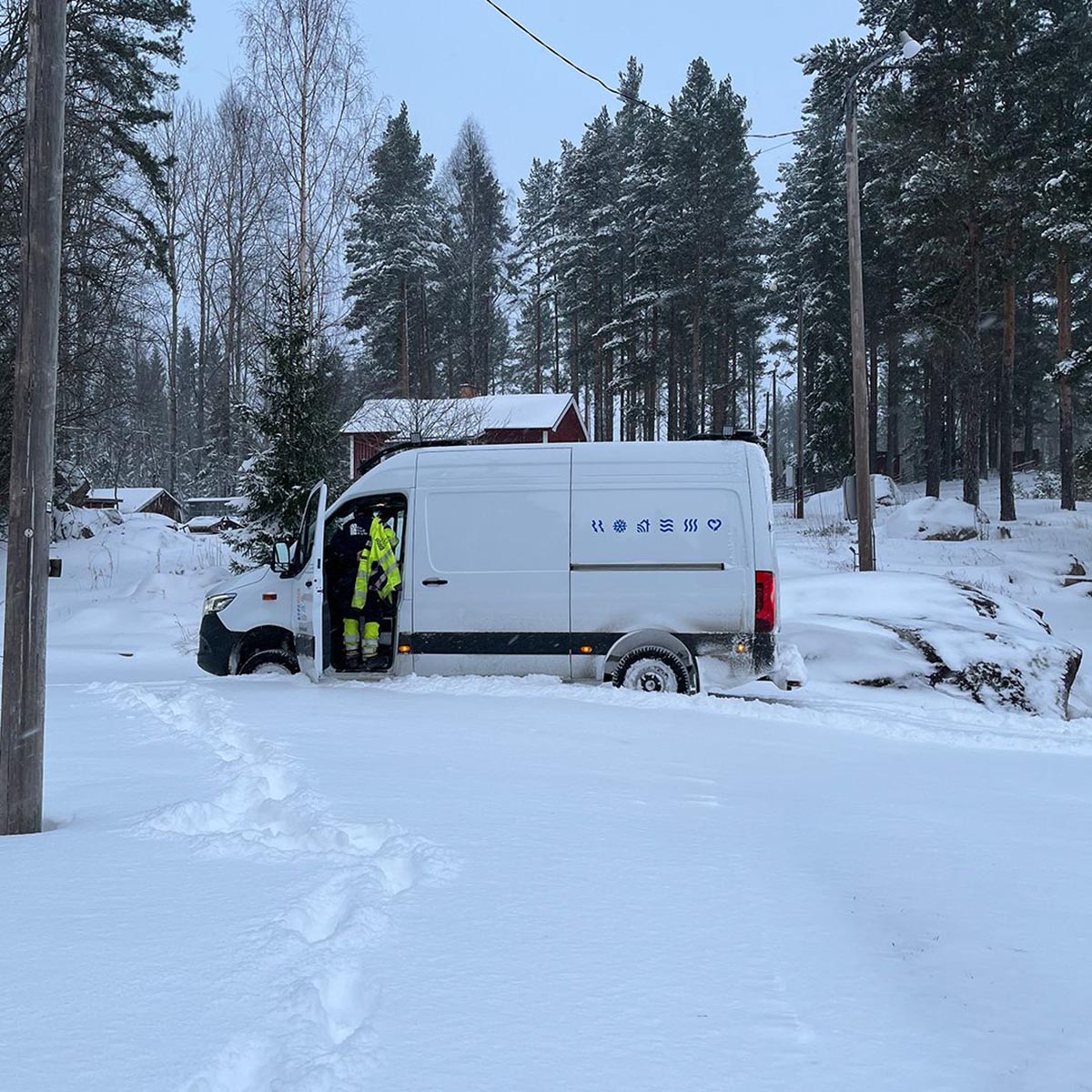
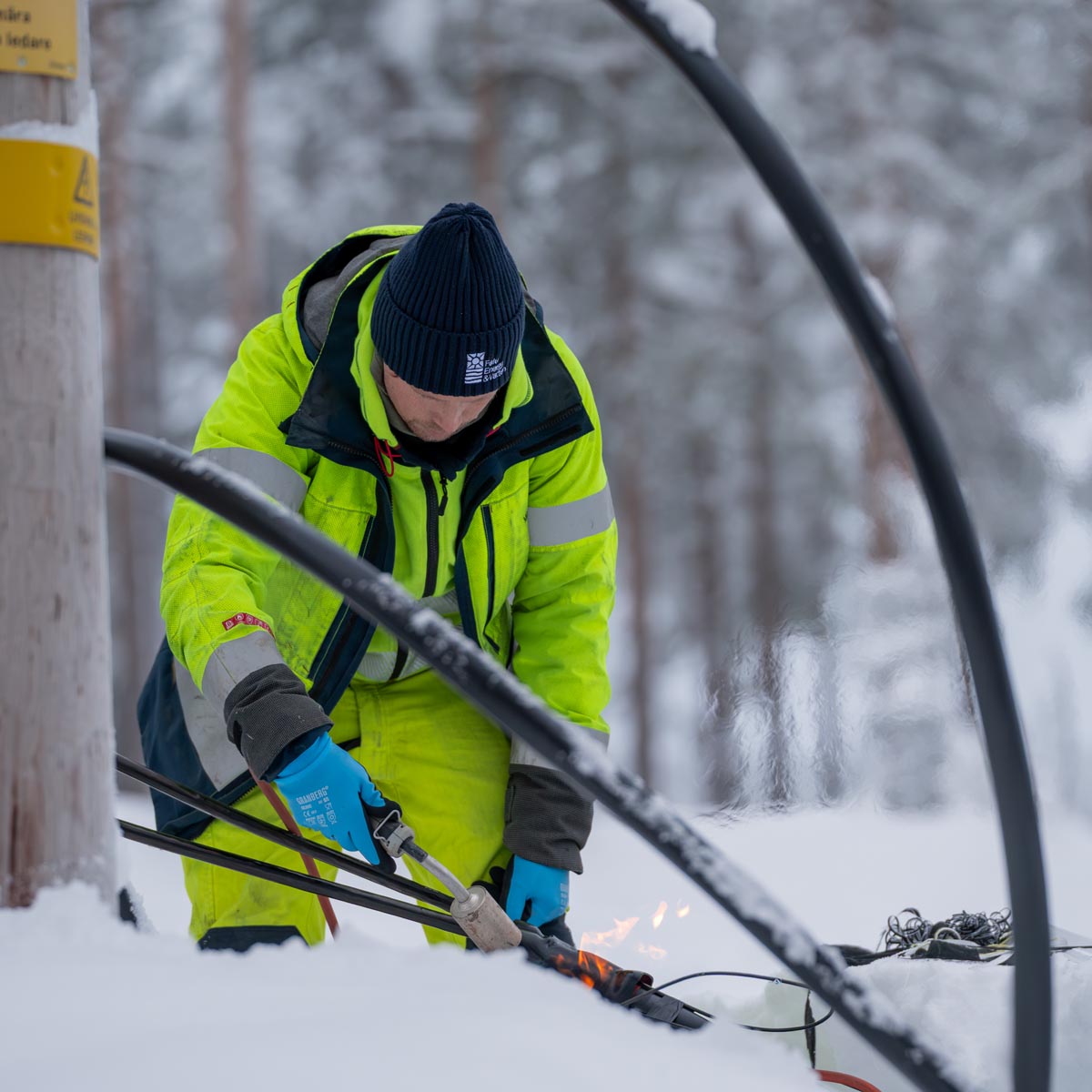
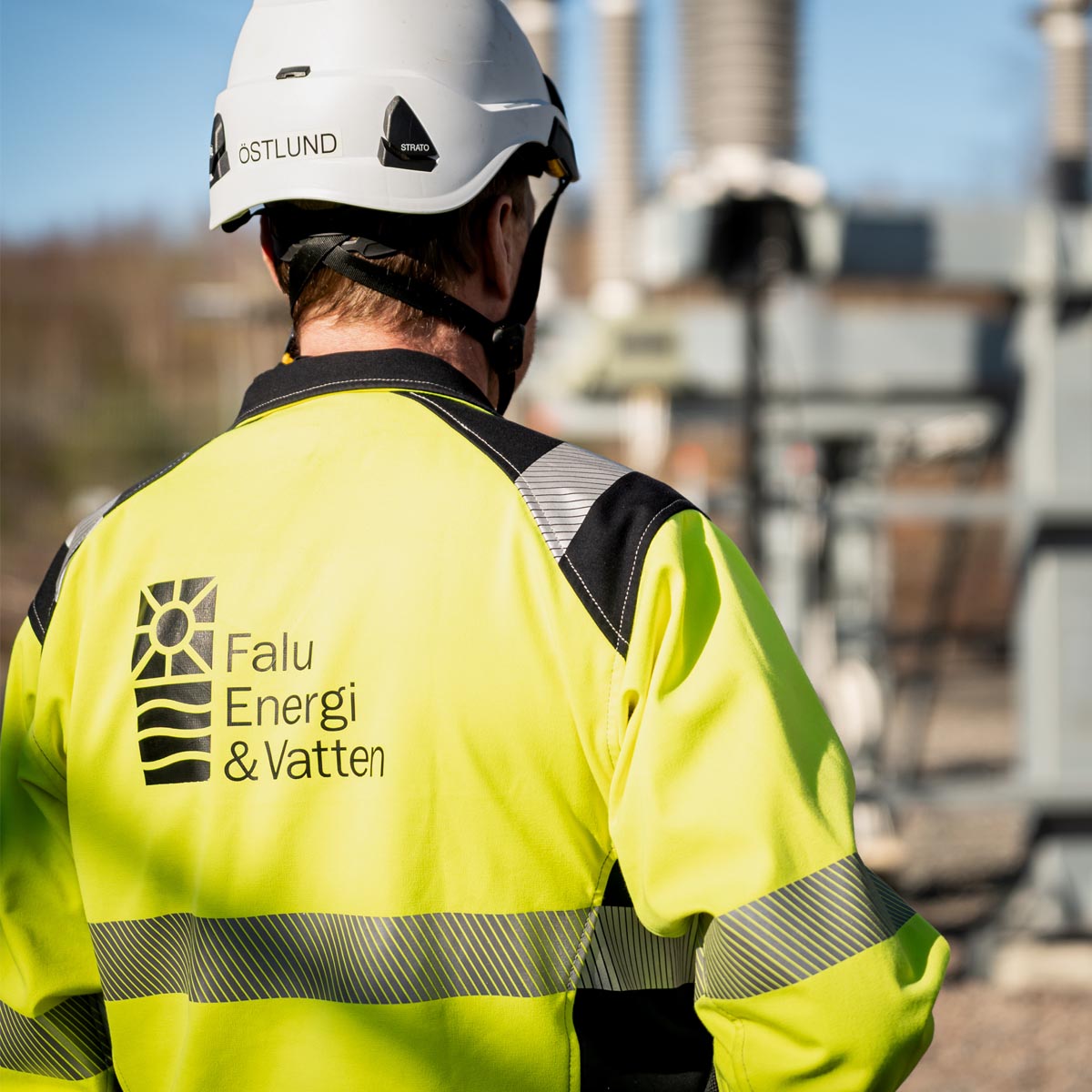
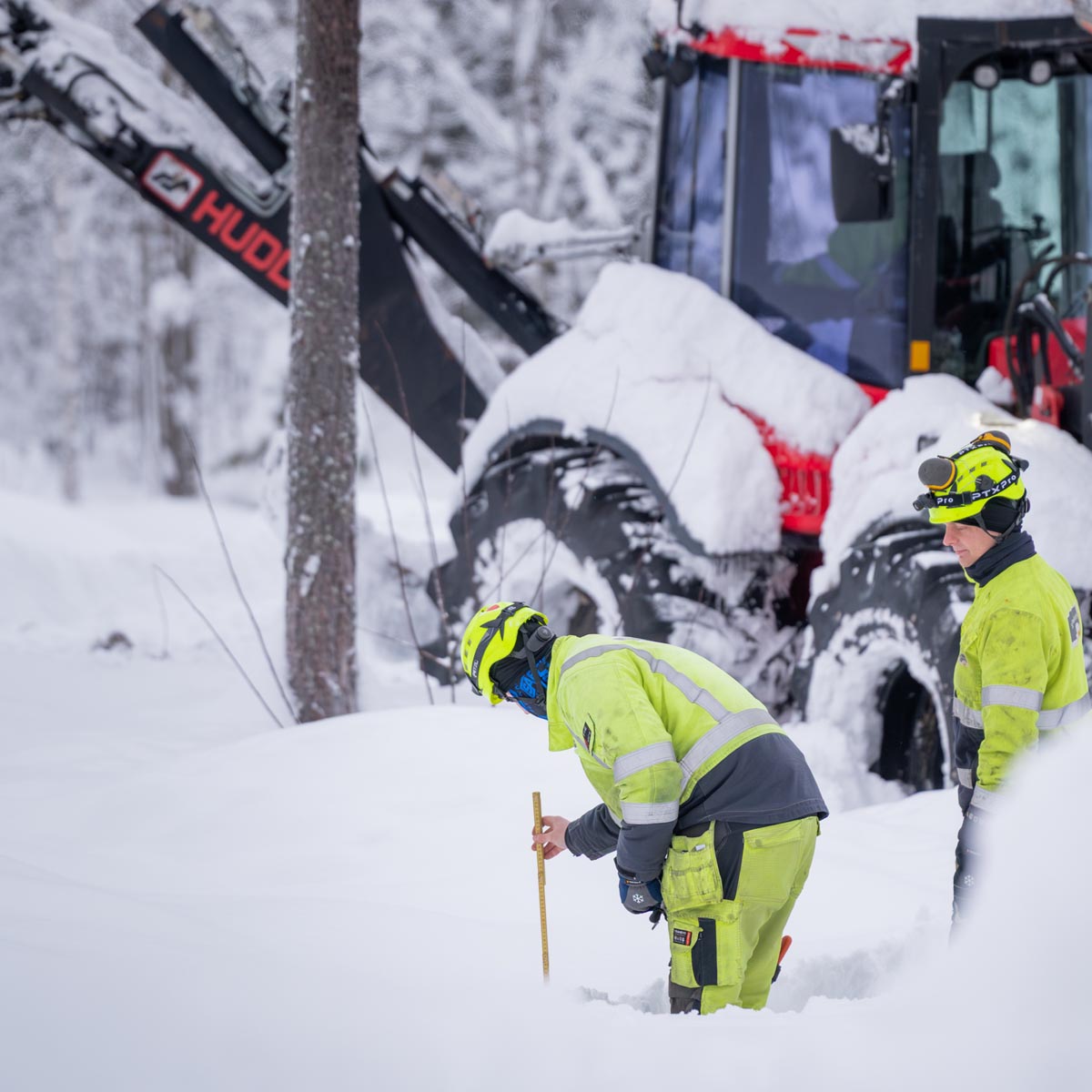
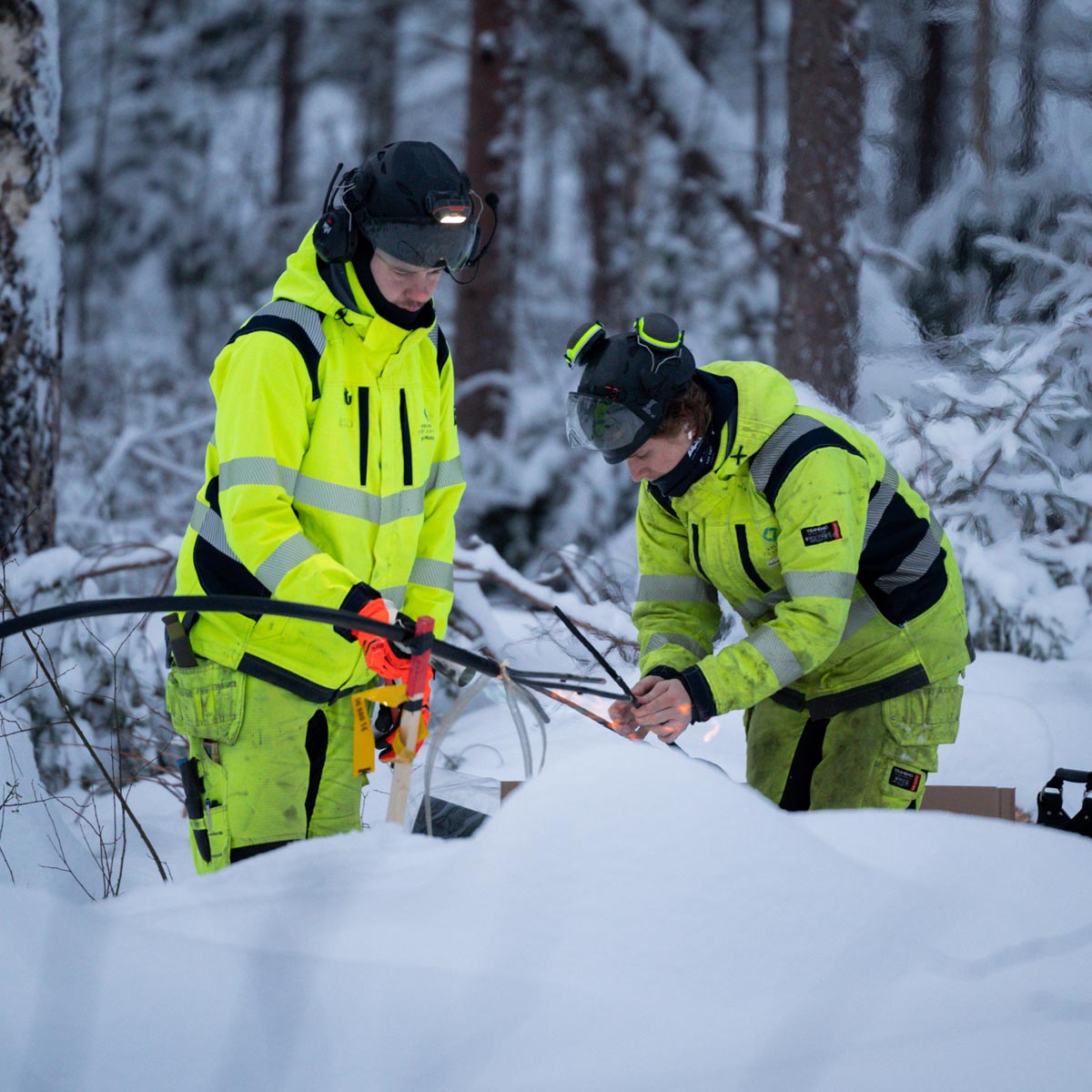
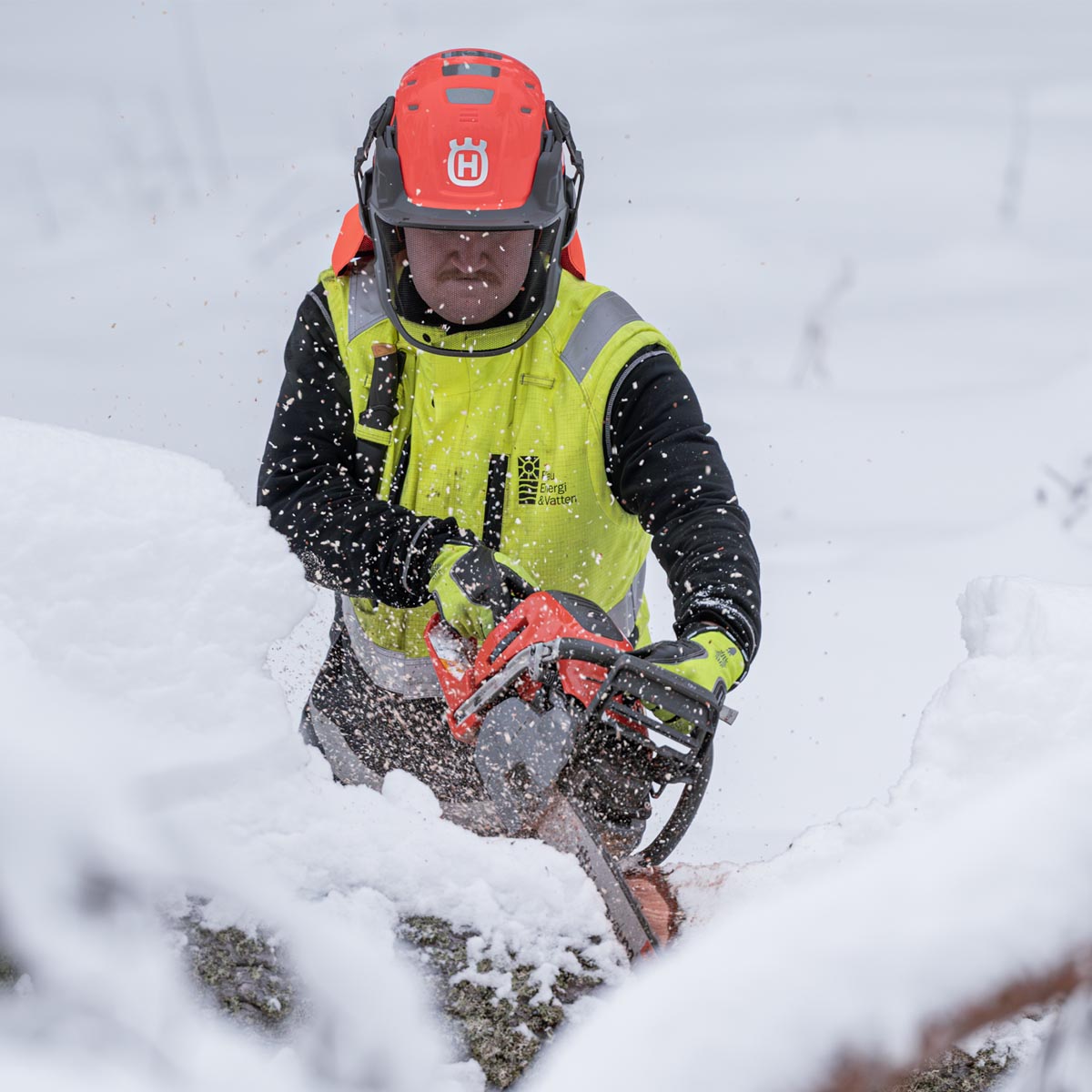
Images from Falu Elnät’s work following the storm. Photos: Falu Elnät.
Every minute counted
“In just a few hours, normal operations had turned into one of the most extensive restoration efforts in Falu Elnät’s history.” – Tony Östh, Operations Engineer, Falu Elnät
During the first few days, the priority was to establish control in a situation where conditions were changing from hour to hour. New faults emerged before existing ones could be resolved. Roads were blocked by fallen trees, utility poles had collapsed, and the arrival of snowstorm Anna made the work even more challenging. Meanwhile, thousands of customers were waiting for their electricity to be restored as temperatures continued to fall. Every decision had to be made quickly – and based on accurate information.
The immediate challenge was also to rapidly establish an organisation resilient enough to manage a growing number of faults, coordinate resources from across the country, and maintain control over information and workflows.
By activating Elsamverkan, Sweden’s electricity network emergency cooperation system, around 100 people from different network operators could be mobilised quickly. With resources arriving from across the country, a shared way of working became essential to maintaining efficiency and control throughout the response.
The organisation needed to quickly:
- Establish a shared, up-to-date overview of damage and ongoing restoration activities.
- Prioritise and coordinate hundreds of tasks in a rapidly changing situation.
- Provide external field technicians with access to accurate network information and work instructions.
- Document both urgent faults and temporary repairs to support subsequent restoration work.
- Coordinate resources, materials, and field crews from numerous electricity network operators.
- Ensure that established operational processes continued to function even under extreme pressure.
Structure that enabled effective action
Falu Elnät chose to continue working entirely within its established operational processes using Digpro’s dpPower platform, even during the crisis. This was possible thanks to years of investment in digitalising operations and establishing digital ways of working across the organisation.
When the crisis struck, Falu Elnät made a deliberate decision to maintain these processes rather than switch to parallel or manual procedures. This provided a solid foundation for consolidating information, coordinating resources, and maintaining a shared operational overview, even under exceptionally high workloads.
All operational disruptions were registered in the Organizer project module, where damage and faults were linked directly to the map. Cases were continuously reported by both the control centre and field technicians, creating a shared, up-to-date operational picture across the organisation. Approximately 720 operational cases were registered during the period.
As numerous temporary repairs became necessary, a shared template was quickly created in dpWebmap to document all temporary fixes. This made it possible to transition from approximately 720 urgent operational cases during the storm to around 380 specific restoration tasks that could be systematically planned and followed up.
For external field technicians, dpWebmap became an important tool under the extreme conditions. With the easy-to-use mobile solution and a brief introduction, they could quickly navigate the network, locate work sites, view power supply routes, and report new faults directly from the field.
At the same time, the work was organised geographically, with clearly defined areas of responsibility, daily morning briefings, and established procedures for personnel check-in and check-out. This made it possible to coordinate more than 130 people at peak activity, approximately 100 of whom were working in the field.
The experience from the storm demonstrates that resilience is not just about robust infrastructure. It also depends on well-functioning processes, shared ways of working, and digital systems that enable informed decisions under pressure.
With the support of Digpro’s solutions, Falu Elnät was able to:
- Coordinate more than 130 people from approximately 20 different electricity network operators.
- Register and track approximately 720 operational cases.
- Document all temporary repairs for subsequent permanent restoration.
- Give external personnel rapid access to up-to-date network information.
- Maintain a shared operational overview throughout the entire incident.
The digital system support enabled established operational processes to continue functioning even during a major crisis, reducing the risk of information loss and making the restoration work more efficient.
The recovery work
Following the storm, work continued to permanently restore the network. Overhead power lines were inspected, temporary solutions were replaced, and parts of the damaged network were rebuilt using underground cables to reduce vulnerability to future severe weather events.
The storm also provided several important lessons:
- The importance of activating Elsamverkan at an early stage.
- The ability to quickly receive and organise external resources.
- The value of a shared way of working.
- The importance of ensuring that established operational processes remain effective during a crisis.
- How well-integrated GIS and operational support systems provide the shared situational awareness needed for effective decision-making.